
 Mobile App Development
 Software Development
 AI Solutions & Automation
 IoT Solutions
 Web Development
 Cyber Security
 Services for Australian Businesses
Protect your business from cyber threats with security services tailored to your technology, risks and business needs. From business systems and cloud environments to networks and user access, we help you strengthen your security posture.
Supportsoft provides cybersecurity services for Australian businesses, helping identify security gaps, reduce exposure to cyber risks and make informed decisions about protecting business data and systems.
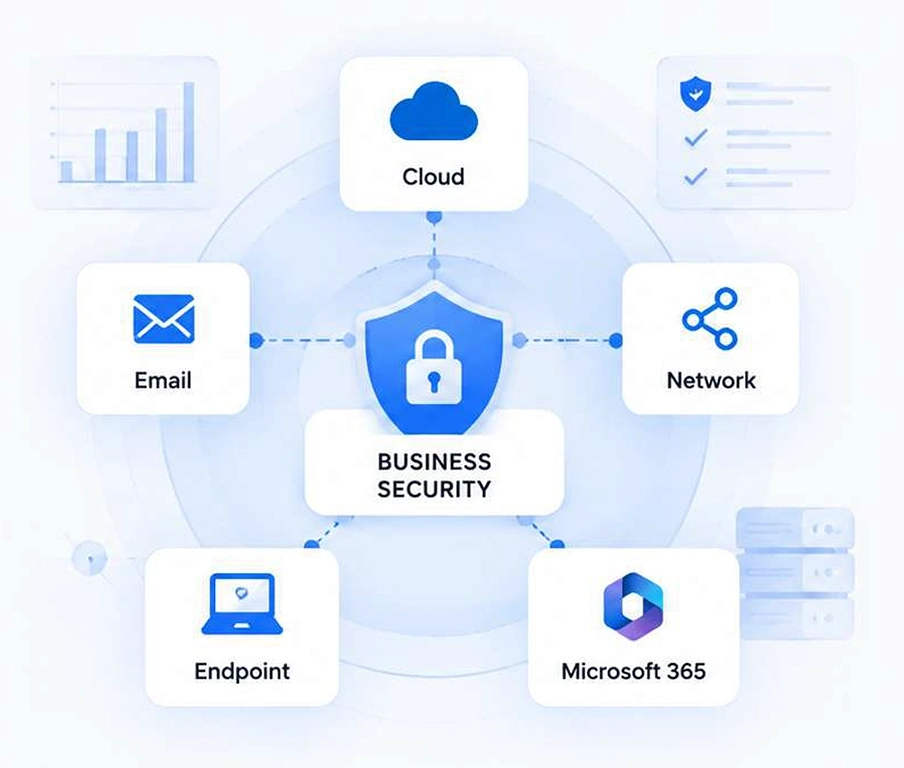
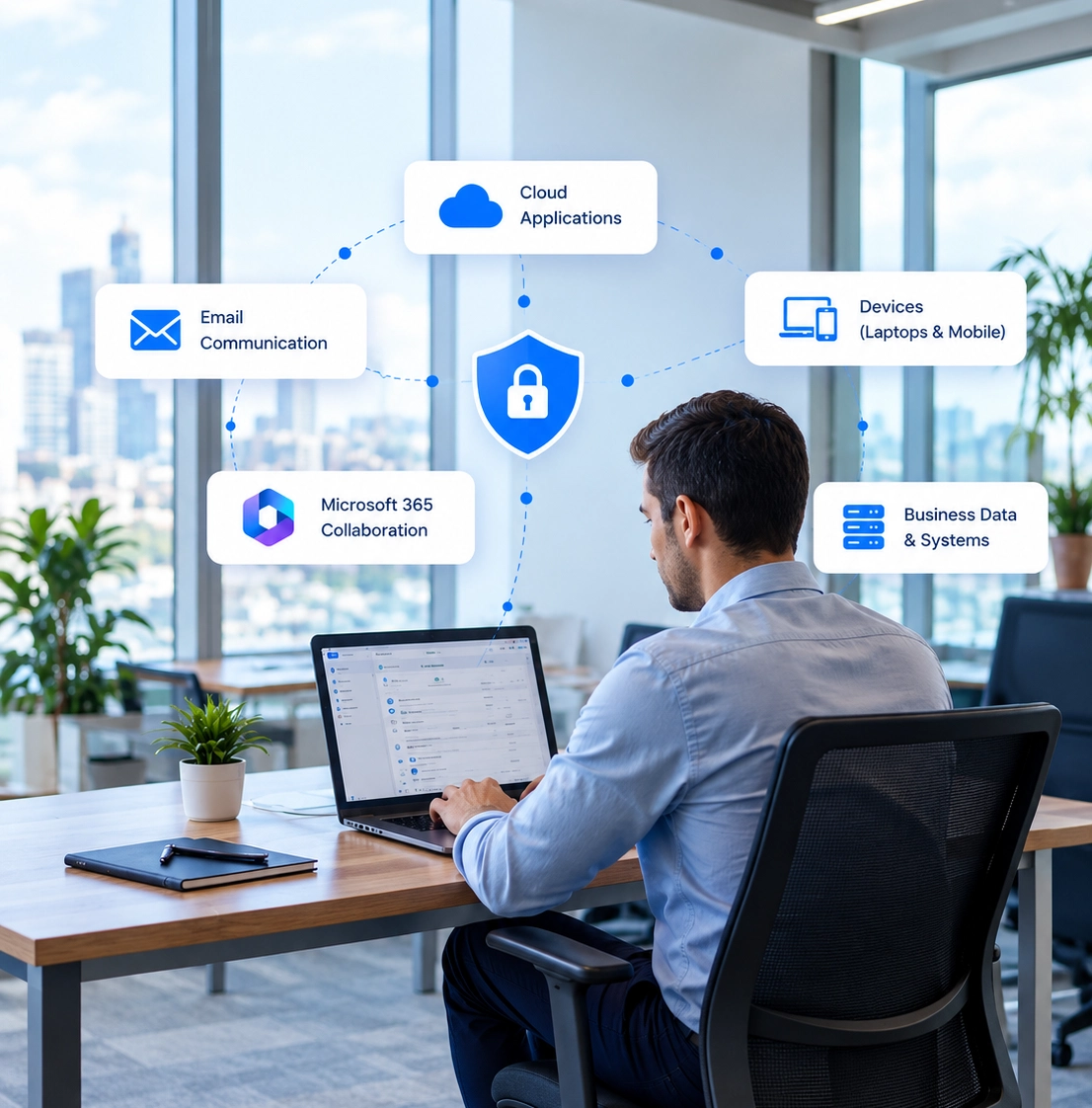
Cybersecurity Solutions Built Around Your Business Risks
Choosing the right cyber security services starts with understanding your business, the technology you use and the risks you need to address. Australian organisations face different security challenges depending on their infrastructure, data, industry and operational requirements.
Supportsoft helps businesses identify relevant security priorities across their technology environments. This includes understanding potential weaknesses, reviewing access to business systems, protecting sensitive information and determining where additional security measures may be needed.
A practical cybersecurity approach connects these priorities rather than treating every risk as a separate problem. It helps businesses make informed decisions about their security requirements, allocate resources effectively and plan improvements around their operational needs.
The right cybersecurity approach depends on your business environment, risk exposure and security objectives. Understanding these factors helps you identify the services and safeguards most relevant to your organisation.
Connected Security for Australian Businesses
Effective cybersecurity brings together the people, systems, processes and safeguards that help protect a business. Explore our specialist services to understand how different areas of your technology environment can be secured according to your business needs.
Cybersecurity Strategy and Consulting
Build a clearer picture of your security priorities, business risks and technology requirements to help guide practical improvements across your organisation.
Managed Security Services
Understand the options for ongoing security support and how a structured approach can help businesses maintain visibility of their technology environments.
Penetration Testing
Gain insight into potential weaknesses in your technology environment through authorised testing that examines how security gaps could affect business systems.
Security Testing and Assurance
Evaluate how security measures perform across relevant systems and applications to understand potential gaps and identify areas for improvement.
Cloud Security and Solutions
Address security considerations across cloud-based environments, including configurations, access permissions and the protection of business information.
Identity and Access Management
Manage how employees and other authorised users access business applications, systems and information through appropriate identity and access controls.
Network and Infrastructure Solutions
Consider the security of connected infrastructure, communication pathways and business systems to help reduce exposure across your technology environment.
Governance, Risk and Compliance
Understand how security policies, risk management practices and applicable requirements fit together to support informed business decisions.
Digital Forensics and Incident Response
Understand how security incidents can be investigated, relevant evidence examined and response activities coordinated when a cyber incident occurs.
Cyber Capability, Education and Training
Help employees recognise common cyber risks and understand the practical security behaviours that support safer everyday business operations.
What Businesses Should Consider
When Strengthening Cybersecurity
Every organisation has different security requirements depending on its size, technology, information and operational priorities. Understanding these factors helps Australian businesses make informed decisions about cybersecurity investments and protection measures.
A considered approach looks beyond individual tools to examine how security supports business operations, protects information and prepares the organisation for disruption.

Business Risk and Priorities
Aligning security decisions with business needs.
Identify the business operations, systems and information that need the greatest protection. This helps Australian businesses prioritise security improvements according to their operational importance and risk exposure.
Areas to consider

Business focus
Prioritising cybersecurity measures according to business impact and operational requirements.

Data Protection and Privacy
Keeping sensitive business information appropriately protected.
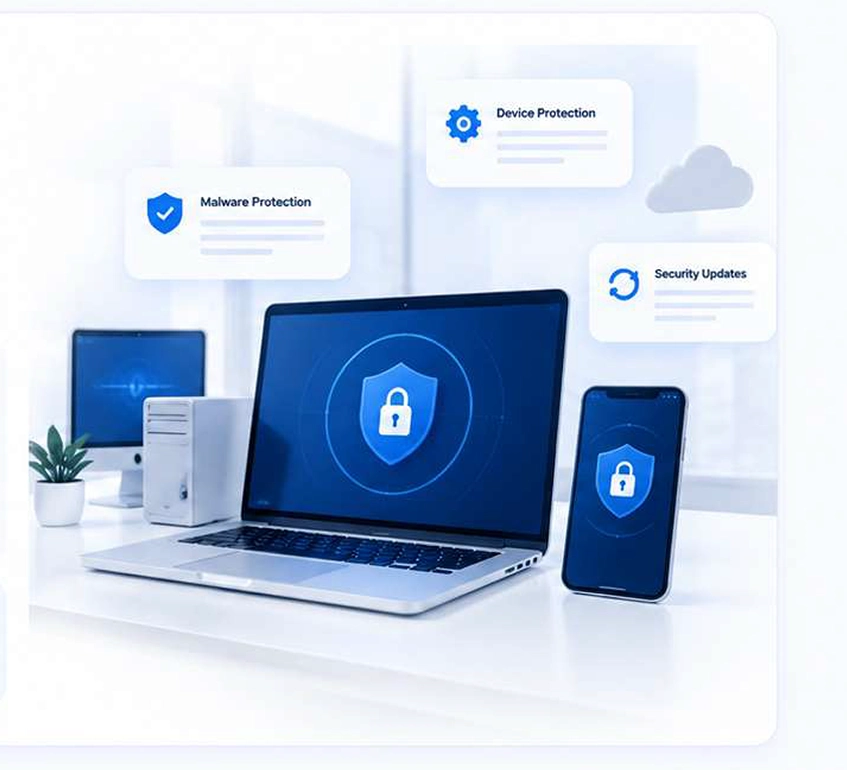
Business information may be stored across devices, applications, cloud platforms and shared workspaces. Understanding where information resides and who can access it helps businesses establish appropriate safeguards.
Areas to consider
Business focus
Maintaining appropriate control over business information throughout its use, storage and retention.

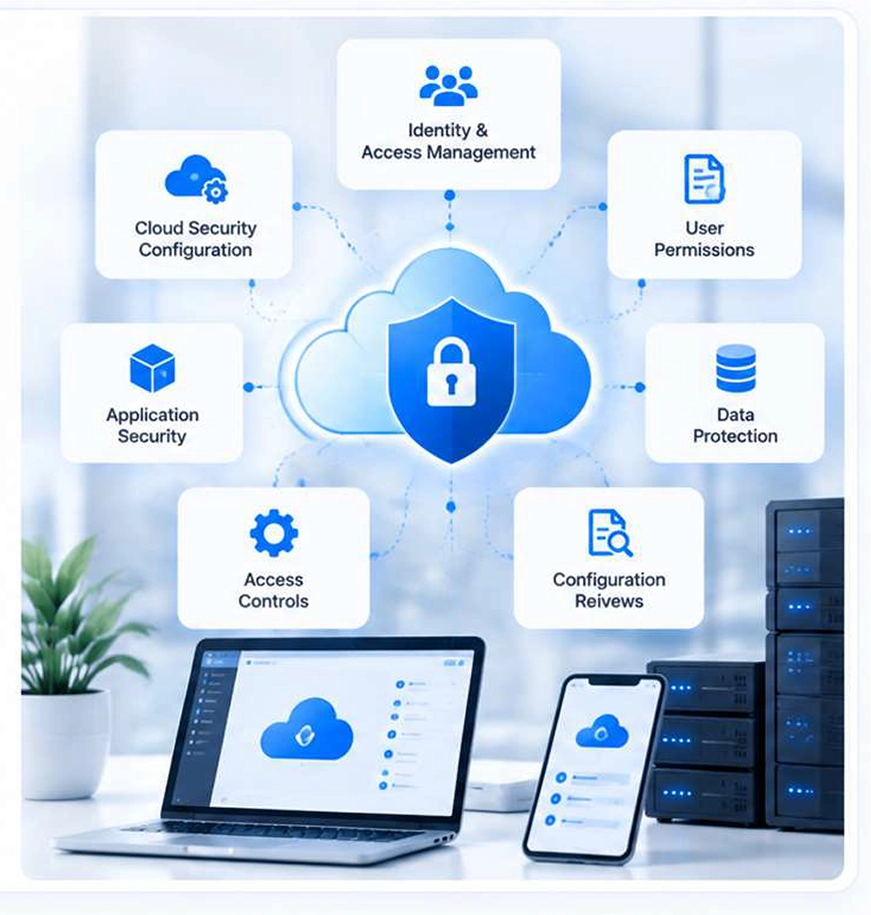
Identity and Access
Ensuring access reflects each user's responsibilities.
Employees, contractors and external partners may require different levels of access to business systems. Access arrangements should reflect legitimate work requirements and change when responsibilities change.
Areas to consider
Business focus
Ensuring people have appropriate access to the systems and information required for their roles.
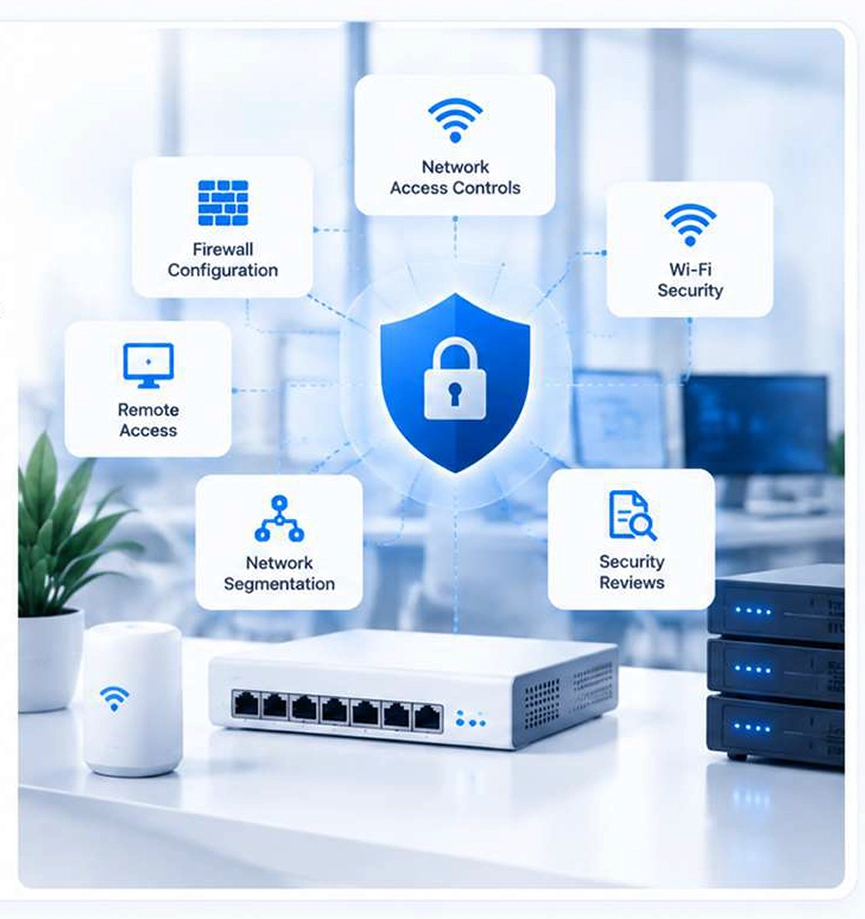

Technology and Configuration
Keeping business technology aligned with security requirements.
Security depends partly on how technology is configured, maintained and connected. Reviewing important settings and system dependencies helps businesses identify configuration issues that may require attention.
Areas to consider
Business focus
Maintaining technology environments with appropriate security settings and consistent maintenance practices.

Regulatory and Industry Obligations
Understanding the requirements relevant to your organisation.
Cybersecurity responsibilities vary according to the information a business handles, its industry and the obligations that apply to its operations. Australian organisations should identify relevant requirements before determining their compliance priorities.
Areas to consider
Business focus
Aligning security practices with applicable legal, regulatory, contractual and industry requirements.

Incident Readiness and Recovery
Preparing the business to respond when disruption occurs.
Even with preventive safeguards, organisations need a plan for responding to security incidents. Clear responsibilities, documented procedures and recovery arrangements help teams coordinate their response and restore essential operations.
Areas to consider
Business focus
Helping the organisation prepare for security incidents and recover essential business operations.
Turning Cybersecurity Priorities Into Practical Improvements
Understanding cybersecurity requirements is the starting point. Businesses also need a clear way to evaluate existing safeguards, determine which improvements matter most and plan appropriate next steps. Supportsoft helps Australian businesses explore security priorities in the context of their technology, operational requirements and business objectives.
Understand the Current Environment
Establish a clear starting point
Before deciding which security improvements to make, businesses need to understand their existing technology environment and current security arrangements. This provides context for evaluating potential gaps and determining where further attention may be needed.
Areas include
Business focus
Establish a clearer understanding of the current environment before deciding which security improvements to pursue.
Identify Security Gaps
Understand where improvements may be needed
A security gap exists when current safeguards do not adequately address a relevant risk or business requirement. Identifying these gaps helps organisations understand where existing arrangements may need further review, adjustment or additional protection.
Areas include
Business focus
Develop a clearer picture of potential weaknesses and the areas that may require further assessment.
Prioritise Security Actions
Focus on business impact and risk
Not every security issue requires the same response or level of urgency. Businesses need to consider potential consequences, the likelihood of a problem occurring and the importance of the affected systems or information when deciding what to address first.
Areas include
Business focus
Help decision-makers allocate attention and resources to the security improvements most relevant to their business.
Plan Appropriate Improvements
Match security measures to business needs
Once priorities are clearer, businesses can evaluate suitable improvements based on their existing technology, identified gaps and operational requirements. The objective is to select proportionate measures rather than introduce unnecessary complexity or disconnected security tools.
Areas include
Business focus
Create a practical direction for security improvements that reflects business requirements, current capabilities and identified risks.
Evaluate Security Effectiveness
Check whether improvements address the intended gaps
Implementing a security measure does not automatically mean that a risk has been adequately addressed. Appropriate reviews and testing, where relevant, can help determine whether changes work as intended and whether further improvements are necessary.
Areas include
Business focus
Build a clearer understanding of whether security improvements address the intended requirements and where further work may be needed.
Maintain Ongoing Improvement
Keep security aligned with business changes
Cybersecurity requirements change as businesses introduce new applications, adjust access permissions, adopt cloud services and modify their operations. Periodic reviews help organisations reconsider their security priorities and respond to changes in their technology and risk environment.
Areas include
Business focus
Support a consistent approach to reviewing security arrangements as business operations, technology and requirements evolve.
Why Australian Businesses Need
A Layered Cybersecurity Approach
No single security control can prevent every cyber threat. Effective cybersecurity combines people, technology, access controls and security processes to reduce exposure, identify suspicious activity and support an appropriate response when incidents occur. For Australian businesses, a layered cybersecurity approach helps address weaknesses across connected systems, user accounts and business operations instead of relying on one product or protective measure.
Each layer serves a different purpose. Together, they help businesses build a more consistent and resilient security environment.
People
Help employees recognise cyber threats.
Users interact with business systems every day. Security awareness and clear responsibilities help them recognise suspicious activity, handle information appropriately and report potential incidents.
Security awareness, phishing recognition, employee responsibilities and incident reporting.
Technology
Protect the systems your business relies on.
Business devices, applications, networks and cloud environments require appropriate security configurations and maintenance. Technical safeguards help reduce exposure to malware, vulnerabilities and unauthorised activity across connected systems.
Device protection, secure configurations, software updates, network safeguards and cloud security controls.
Access
Control who can access business systems and data.
Strong security depends on more than protecting devices and applications. User identities, authentication and permissions also need appropriate controls to reduce the risk of compromised accounts or excessive access.
Identity management, multi-factor authentication, user permissions, privileged access and access reviews.
Process
Make security responsibilities clear and consistent.
Documented security policies and procedures help businesses manage changes, maintain safeguards and coordinate activities when a potential cyber incident occurs. Clear ownership also helps ensure security issues are addressed appropriately.
Security policies, account management, change management, incident procedures and recovery planning.
Continuous Review
Adapt security as your business changes.
New applications, changing user permissions and evolving threats can introduce risks that existing safeguards may not address. Reviewing security arrangements helps businesses identify gaps, check whether controls remain appropriate and determine when improvements are needed.
Security reviews, configuration checks, emerging risks, control effectiveness and follow-up actions.

Effective Cybersecurity Requires More Than One Layer
People, technology, access controls and security processes work together to reduce cyber risk. Reviewing these layers as a connected environment helps Australian businesses identify weaknesses and make more informed security decisions.
What Should Your Business Expect From Cybersecurity Support?
Choosing cybersecurity support starts with understanding your business requirements and the work needed to address them.
The right engagement should define the scope, expected deliverables and responsibilities, helping your business understand what the agreed services will cover.
Key Considerations
Business Needs
Clarify your business objectives and security requirements.
Scope of Work
Understand which systems and services are included.
Cloud Environment
Identify relevant cloud platforms and responsibilities.
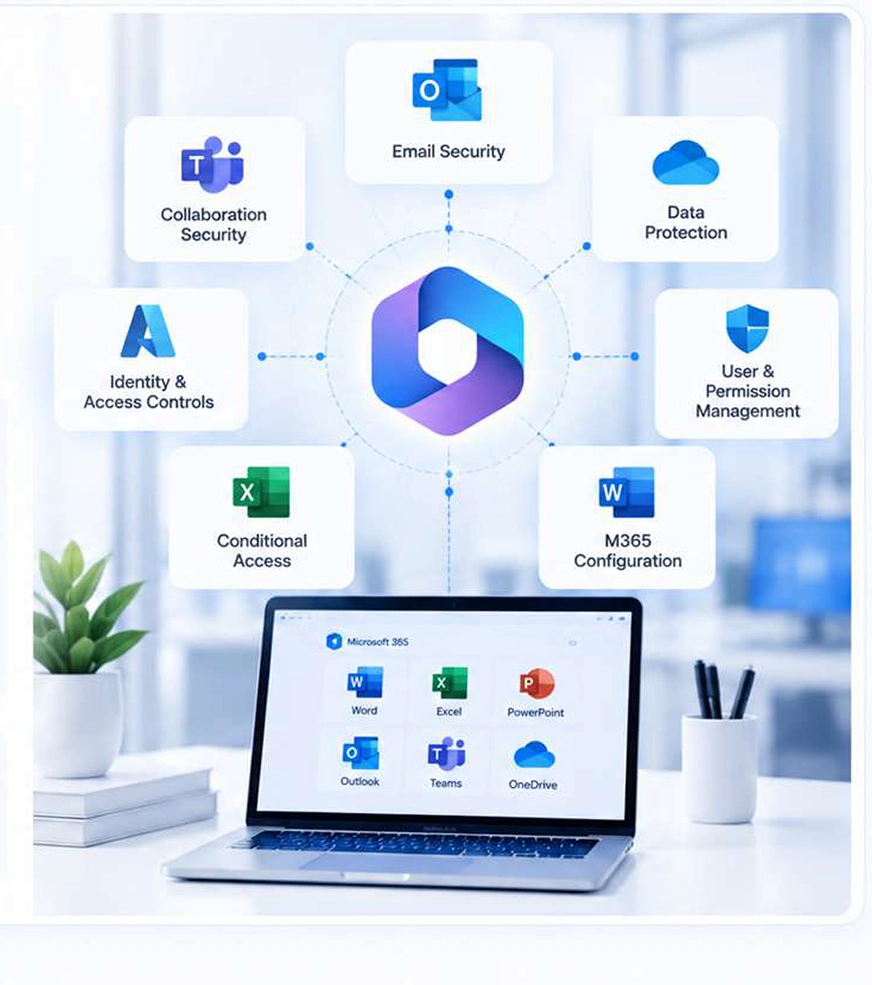
Microsoft 365
Clarify requirements for business accounts and collaboration tools.
Technology
Confirm which infrastructure and business systems are in scope.
Responsibilities
Understand who manages the agreed tasks and activities.
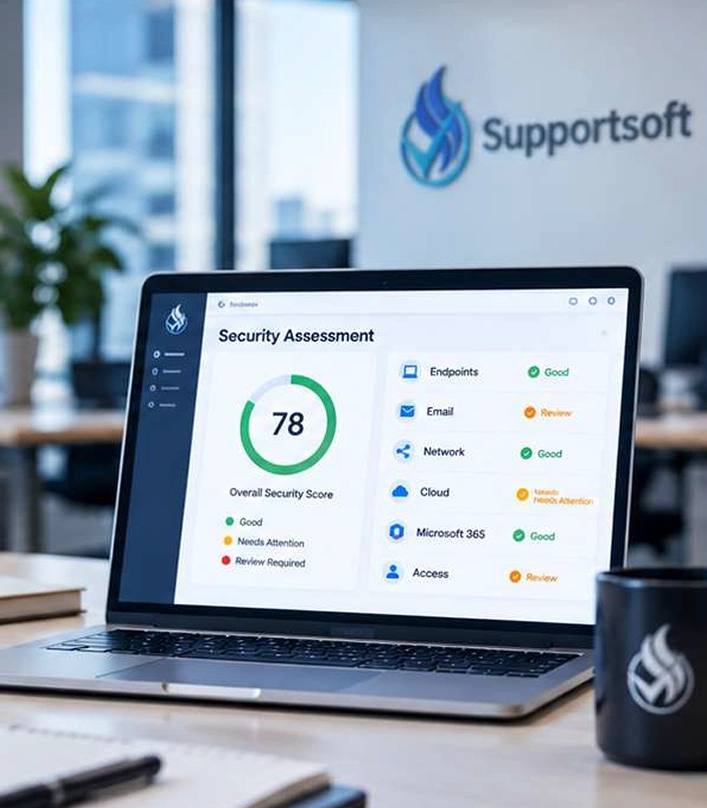
What a Clear Engagement Should Establish
A well-defined engagement helps clarify the work involved, the expected outcomes and the next steps:
Where Do Cybersecurity Risks Commonly Begin?
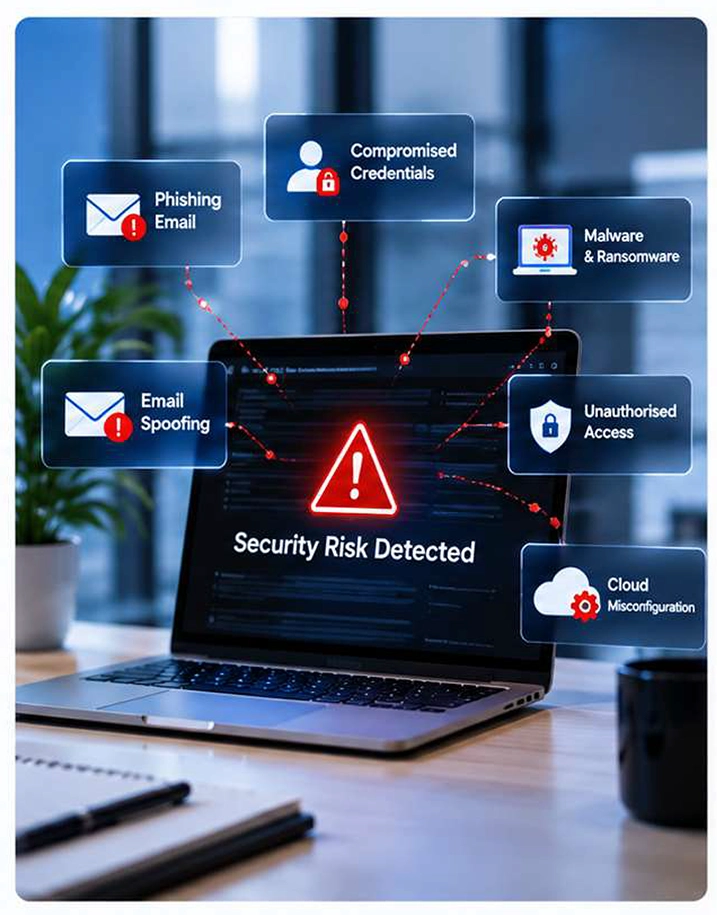
Cybersecurity incidents can start with a deceptive email, an exposed account, an unpatched system or a weakness in security controls. Identifying these gaps helps Australian businesses understand where their systems, data and operations may be at risk.

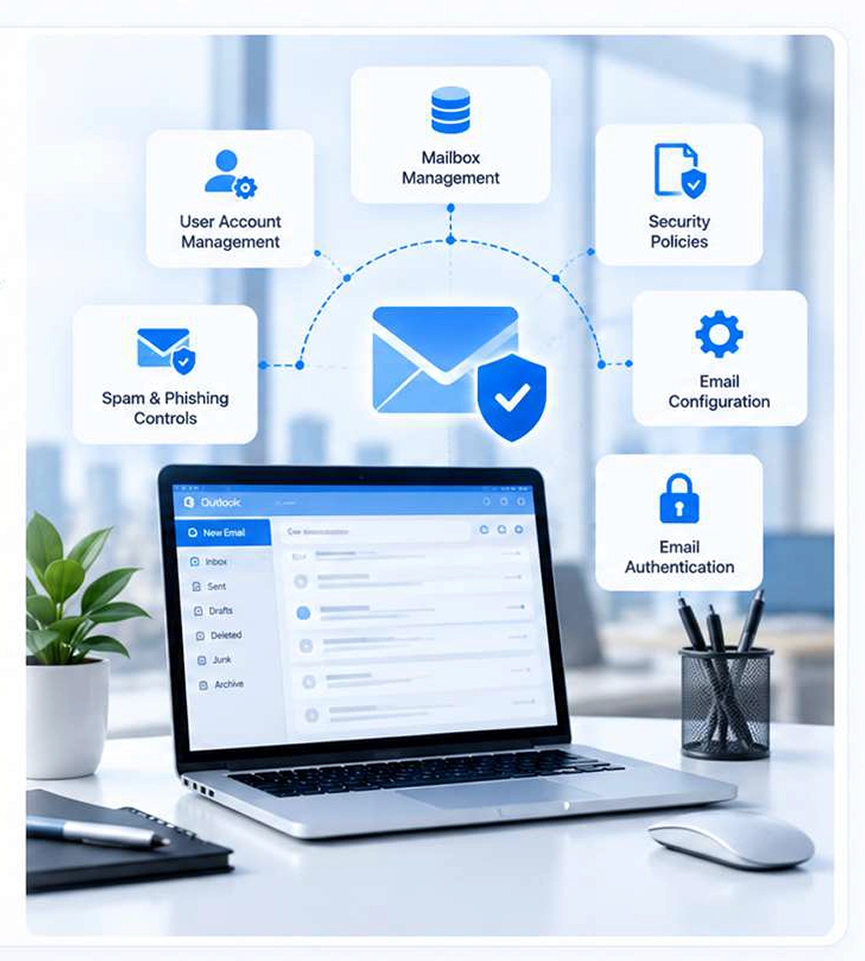
Phishing and Email Attacks
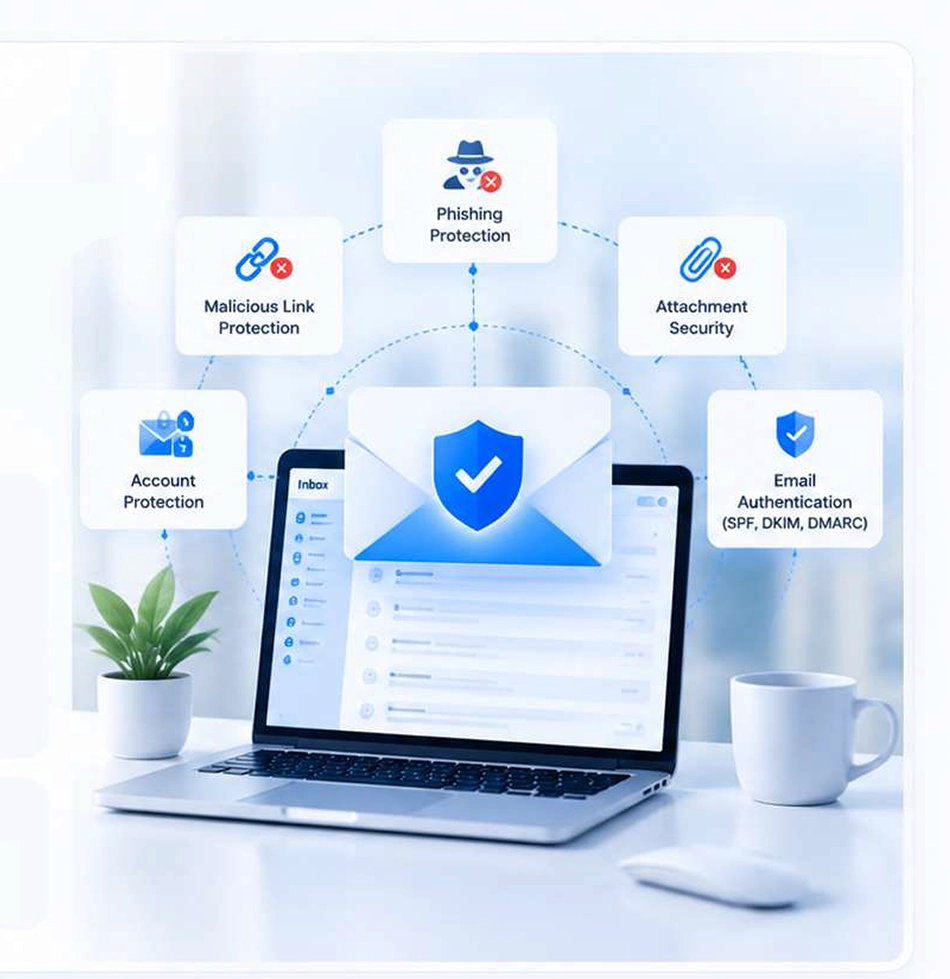
Deceptive emails, malicious links and spoofed sender addresses can trick employees into revealing information, sharing credentials or opening harmful attachments.

Compromised Credentials
Stolen passwords and poorly protected accounts can allow attackers to access business systems, email and sensitive information. Multi-factor authentication adds an important layer of protection.
Malware and Ransomware
Malicious software can disrupt business operations, compromise information and make files inaccessible. Updated security controls and reliable backups can help reduce the impact.

Cloud Misconfiguration
Incorrect cloud permissions, insecure settings or excessive access privileges can expose business applications, stored information and other cloud resources.
Unpatched Software and Vulnerabilities
Outdated applications, operating systems and devices may contain security weaknesses that attackers can exploit. Timely updates and vulnerability management help address these gaps.

Weak Backup and Recovery Controls
Incomplete backups or untested recovery procedures can make it harder to restore systems and business data after a cyber incident. Regular backups and recovery testing help improve resilience.
Frequently Asked Questions
Frequently Asked Questions About Cybersecurity Services in Australia
The cybersecurity services a business needs depend on its technology, the information it handles and its exposure to cyber threats. Common priorities include cybersecurity strategy and consulting, security assessments, cloud security, identity and access management, vulnerability testing, managed security and incident response. Australian businesses should prioritise the measures that address their most significant risks and operational requirements.
Cybersecurity services help businesses identify security weaknesses, strengthen access controls, protect sensitive information and prepare for potential cyber incidents. Depending on the agreed scope, this may involve reviewing existing systems, assessing vulnerabilities, improving cloud security, strengthening employee awareness and developing incident response procedures. The aim is to reduce avoidable risks and improve business resilience.
A cybersecurity assessment may be worthwhile if your business has outdated systems, uncertain access permissions, limited visibility into security risks or no documented incident response plan. It can also help after a major technology change, cloud migration or security incident. An assessment should identify relevant weaknesses, explain their potential business impact and recommend practical remediation priorities.
Cybersecurity consulting focuses on understanding risks, developing security strategies and recommending improvements. Managed security services typically involve ongoing operational support, which may include security monitoring, alert investigation and incident response, depending on the service agreement. Consulting helps determine what needs to improve, while managed services can help maintain and operate selected security capabilities over time.
Cybersecurity service costs in Australia depend on the scope of work, business size, number of systems, complexity of the IT environment and level of ongoing support required. A targeted security review will generally involve a different level of effort from penetration testing, a broader security improvement program or ongoing managed security. A provider should explain the deliverables, assumptions and pricing before work begins.
A business cybersecurity assessment may review user accounts, authentication, devices, network security, cloud configurations, software vulnerabilities, data protection and incident readiness. The exact checks depend on the assessment scope and the systems involved. A useful outcome is a prioritised set of findings that explains the risks, recommended corrective actions and the areas requiring further investigation.
Australian small businesses should start by enabling multi-factor authentication, using strong and unique passwords, applying software security updates and maintaining tested backups. They should also train employees to recognise phishing attempts, restrict unnecessary access and establish a plan for responding to incidents. The Australian Cyber Security Centre provides practical guidance to help businesses prioritise these foundational controls.
The Essential Eight is an Australian cybersecurity mitigation model developed by the Australian Signals Directorate to help organisations reduce common cyber risks. Its strategies include application and operating system patching, multi-factor authentication, restricting administrative privileges and regular backups. Businesses should select appropriate security priorities based on their environment and consult current Australian Cyber Security Centre guidance when determining which framework or guidance is applicable.
A business can improve Microsoft 365 and cloud security by strengthening authentication, reviewing user permissions, limiting administrative access, securing email settings, monitoring relevant security alerts and maintaining appropriate backups. Cloud providers and customers have different security responsibilities, so businesses should understand which controls they must configure and maintain themselves. The right approach depends on the cloud services and business data involved.
A vulnerability assessment identifies and evaluates potential security weaknesses across selected systems, often using automated scanning and analysis. Penetration testing goes further by attempting to exploit agreed weaknesses within an authorised scope to demonstrate how an attacker might gain access or affect business operations. Both approaches can help identify security improvements, but the appropriate choice depends on the business objective and the level of testing required.
A business should activate its incident response procedures, contain the threat where appropriate, protect affected systems and preserve relevant evidence. It should involve qualified technical and legal advisers as needed, assess the information and systems affected, and determine its notification obligations. Recovery should include restoring systems safely, addressing the cause of the incident and reviewing controls to reduce the likelihood of recurrence.
Yes. Cybersecurity measures can reduce exposure to ransomware and phishing through email security, multi-factor authentication, software patching, access controls, staff awareness training and reliable backups. Monitoring and incident response arrangements can also help identify and contain suspicious activity. No single control eliminates every threat, so businesses should use multiple complementary safeguards suited to their risks.
Businesses can protect sensitive customer data by limiting access to authorised users, securing devices and cloud applications, applying appropriate encryption, maintaining software updates and reviewing how information is stored and shared. They should also establish suitable retention, backup and incident response practices. Australian organisations should consider their applicable privacy and data protection obligations when designing and maintaining these controls.
Ongoing cybersecurity monitoring can help businesses identify suspicious activity, investigate alerts and respond to potential threats more promptly. Its value depends on the organisation's risk profile, systems, internal capabilities and required response times. Businesses considering managed security services should clarify monitoring coverage, operating hours, escalation procedures, reporting and whether incident investigation and remediation are included.
Choose a cybersecurity services provider by evaluating its relevant technical expertise, proposed scope, assessment methodology, reporting quality, communication process and approach to remediation. Ask how findings will be prioritised, what deliverables you will receive and who is responsible for follow-up work. Before committing, confirm pricing, service limitations, confidentiality arrangements and any relevant qualifications or certifications claimed by the provider.
Understand Your Security
Before the Risk Becomes a Problem
Your business technology is constantly changing.
New users are added. Applications change. Devices are replaced. Cloud services evolve. Access requirements change.
A regular view of your security environment can help identify areas that may otherwise remain unnoticed.
Security
Security
Security
Security